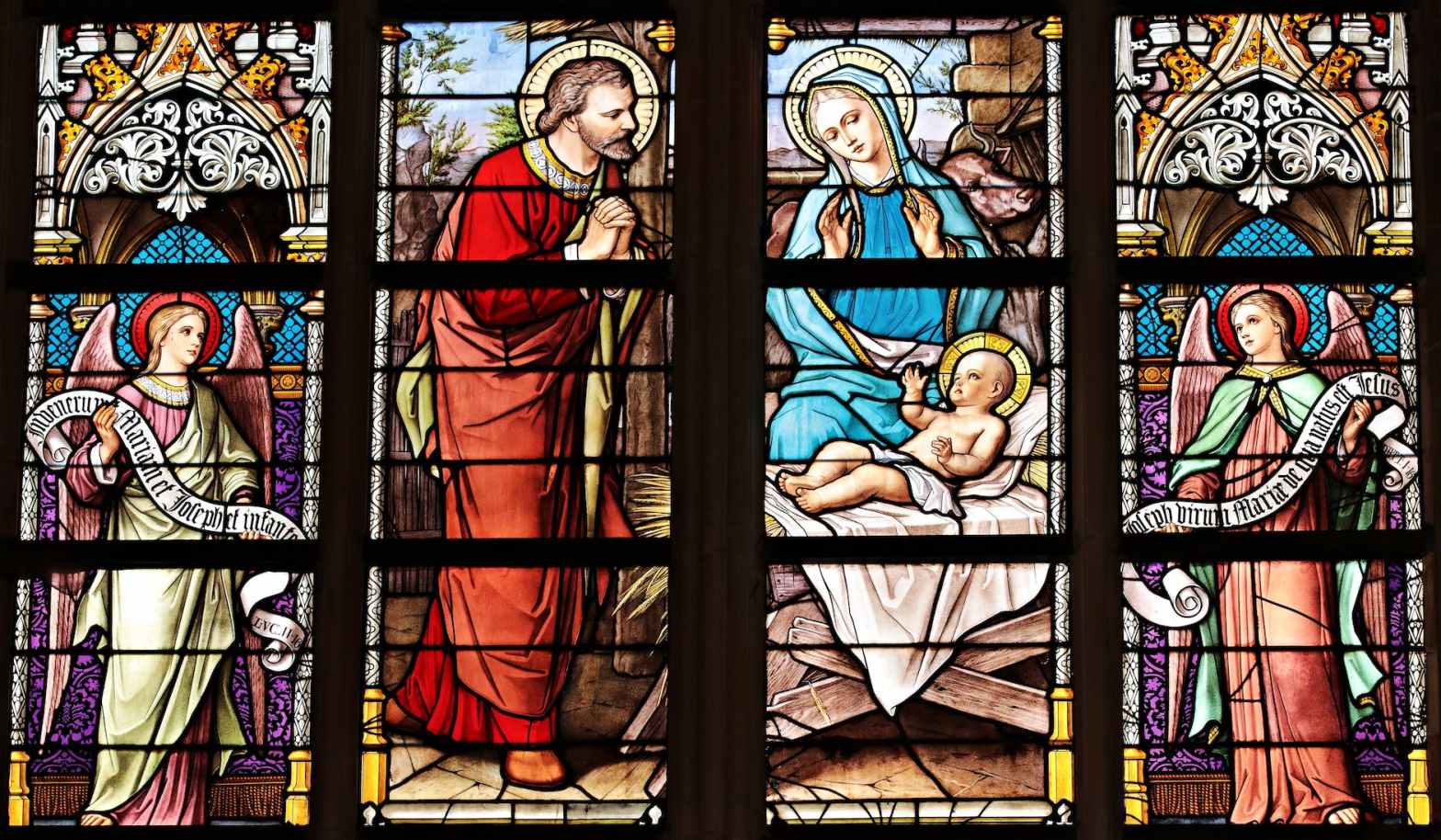
Spirituality and religion are related concepts, but they are not the same, and there are key differences between them. Here’s a breakdown of these differences:
- Definition:
- Religion: Religion typically refers to a formalized system of beliefs, practices, rituals, and traditions centered around a specific deity or deities. It often involves organized institutions, clergy, sacred texts, and established dogmas.
- Spirituality: Spirituality is a broader and more individualistic concept. It is about a personal search for meaning, purpose, and connection to something greater than oneself. Spirituality can be pursued both within and outside the framework of organized religions.
- Beliefs:
- Religion: Religions often have a set of specific beliefs and doctrines that adherents are expected to accept and follow. These beliefs are usually codified in religious texts or teachings.
- Spirituality: Spirituality is more flexible and open to personal interpretation. It can encompass a wide range of beliefs and may not necessarily adhere to a particular religious doctrine.
- Practices:
- Religion: Religions have structured rituals, ceremonies, and practices that are prescribed for their followers. These practices are often aimed at worshiping deities, achieving salvation, and adhering to religious laws.
- Spirituality: Spiritual practices are more diverse and may include meditation, prayer, yoga, mindfulness, or other contemplative activities. These practices are often chosen based on personal preferences and spiritual growth.
- Institutional vs. Individual:
- Religion: Religions are typically organized into institutions with hierarchies, clergy, places of worship, and formalized religious authorities.
- Spirituality: Spirituality is often a more individual and personal journey. It doesn’t require adherence to an organized institution or religious hierarchy.
- Dogma vs. Exploration:
- Religion: Religions tend to emphasize adherence to specific dogmas and teachings. Deviation from these doctrines can sometimes lead to excommunication or criticism.
- Spirituality: Spirituality encourages exploration and personal growth. It often embraces a more open and questioning approach to beliefs and practices.
- Community vs. Solitude:
- Religion: Religions often foster a sense of community among their followers, with regular gatherings for worship, fellowship, and shared rituals.
- Spirituality: Spirituality can be a solitary pursuit, although it can also be practiced in group settings. It places a stronger emphasis on personal experiences and inner transformation.
It’s important to note that these distinctions are not absolute, and there is considerable overlap between spirituality and religion. Many people find spiritual fulfillment within the context of a specific religion, while others may identify as spiritual but not religious. Ultimately, the choice between spirituality and religion is a deeply personal one, and individuals may define and combine these concepts in unique ways to meet their spiritual needs.
 Bell's Mountain Connection