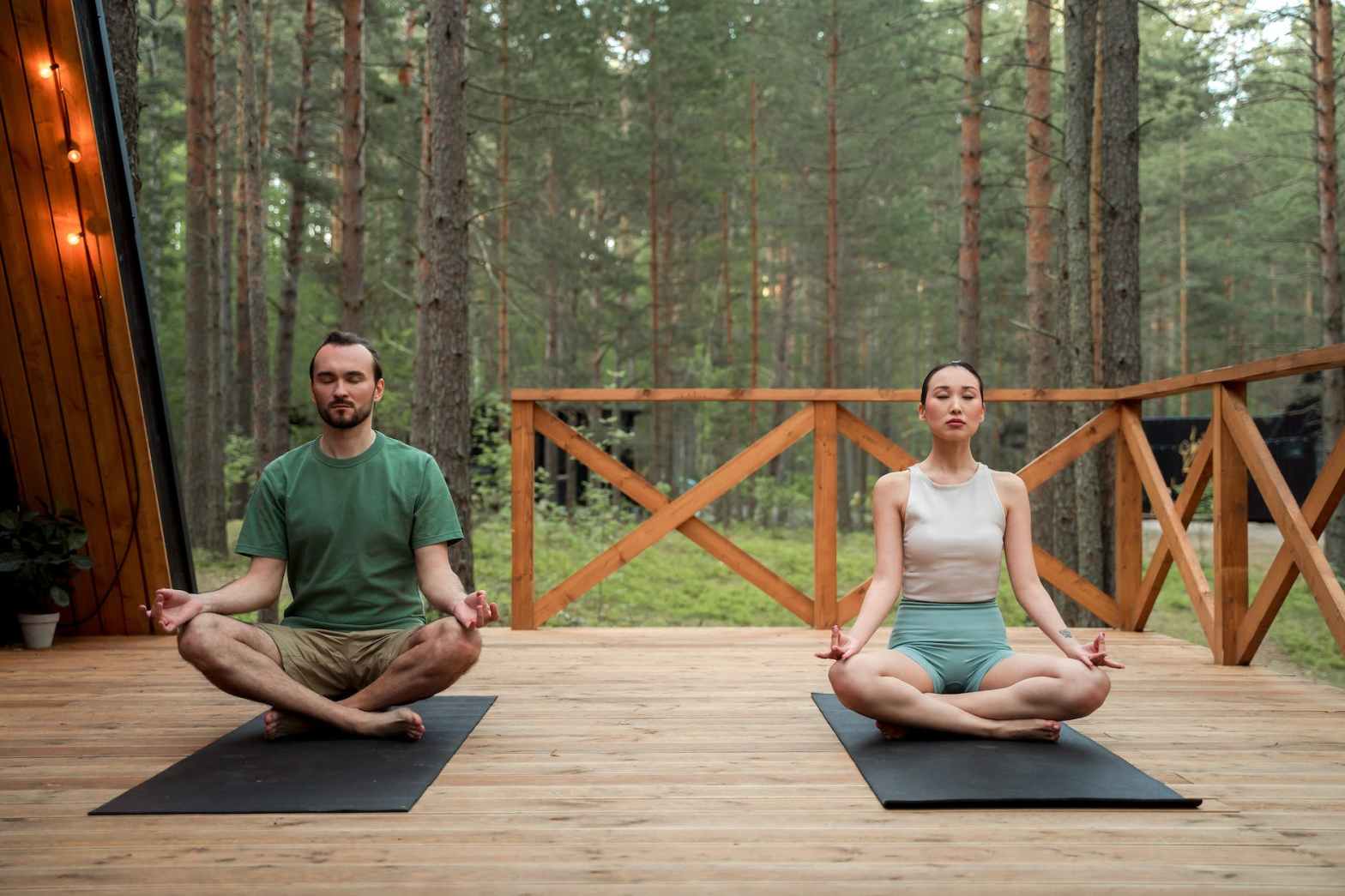
Mindfulness: A Path to Inner Peace and Well-Being
In our fast-paced, digitally connected world, it’s easy to get caught up in the chaos of daily life. Our minds are constantly bombarded with information, and we often find ourselves multitasking and rushing from one task to another. In this frenzy, we can lose touch with the present moment and our own inner selves. This is where mindfulness comes into play.
Mindfulness is a centuries-old practice that has gained significant attention in recent years due to its potential to enhance well-being, reduce stress, and improve mental health. It is not a new-age fad but rather a timeless and scientifically validated approach to living a more fulfilling life. In this comprehensive guide, we will explore what mindfulness is, its benefits, and practical ways to incorporate it into your life.
What Is Mindfulness?
At its core, mindfulness is the practice of paying deliberate attention to the present moment without judgment. It involves becoming fully aware of your thoughts, feelings, sensations, and surroundings, no matter how mundane or extraordinary they may be. Mindfulness invites you to observe your experiences as they unfold, fostering a sense of presence, clarity, and self-awareness.
Key Components of Mindfulness:
- Present-Moment Awareness: Mindfulness is about being fully engaged in the here and now. It means letting go of worries about the past and anxieties about the future, focusing instead on what is happening in the present moment.
- Non-Judgmental Observation: Mindfulness encourages you to observe your experiences without judgment. Instead of labeling thoughts or emotions as good or bad, you simply acknowledge them as they are, allowing for a more objective perspective.
- Acceptance: This aspect of mindfulness involves accepting things as they are, both internally and externally. It doesn’t mean resigning yourself to negative situations but acknowledging the reality of the present moment before taking appropriate action.
- Concentration: Mindfulness requires focused attention. It’s the practice of directing your awareness intentionally, whether it’s on your breath, bodily sensations, or the sounds around you.
The Benefits of Mindfulness
The practice of mindfulness offers a wide range of benefits for both mental and physical well-being. Here are some of the most notable advantages:
- Stress Reduction: Mindfulness can significantly reduce stress levels by helping individuals manage their responses to stressful situations. By staying present and non-judgmental, you can prevent stress from escalating and better navigate challenging circumstances.
- Improved Emotional Regulation: Mindfulness empowers you to recognize and accept your emotions as they arise. This heightened emotional awareness can lead to better control over impulsive reactions and more skillful responses to difficult feelings.
- Enhanced Mental Clarity: Regular mindfulness practice can clear the mental clutter that often leads to confusion and indecision. It allows for greater mental clarity, focus, and improved decision-making.
- Increased Resilience: Mindfulness helps build resilience by teaching you how to adapt to adversity and bounce back from setbacks more effectively. It promotes a growth mindset and a positive attitude toward challenges.
- Better Physical Health: Mindfulness has been associated with various physical health benefits, including lower blood pressure, improved immune function, and better sleep. These improvements result from reduced stress and better self-care habits.
- Enhanced Relationships: Mindfulness can improve your relationships by fostering better communication and empathy. When you’re fully present with others, you’re more attuned to their needs and feelings.
- Greater Self-Acceptance: The non-judgmental aspect of mindfulness encourages self-acceptance and self-compassion. It can help you let go of self-criticism and embrace a more positive self-image.
How to Apply Mindfulness to Your Life
Now that we’ve explored what mindfulness is and its benefits, let’s delve into how you can incorporate mindfulness into your daily life.
- Start with Formal Meditation:
- Begin with short meditation sessions, ideally 5-10 minutes daily.
- Find a quiet, comfortable space where you won’t be disturbed.
- Focus your attention on your breath, sensations, or a specific meditation guide.
- When your mind wanders, gently bring your focus back to your chosen point of attention.
- Mindful Breathing:
- Throughout the day, take moments to focus on your breath.
- Pay attention to the sensation of each inhalation and exhalation.
- This practice can be done while waiting in line, sitting in traffic, or during short breaks.
- Body Scan:
- Dedicate time to a body scan meditation where you mentally scan your body from head to toe.
- Notice any areas of tension or discomfort and try to release them through your breath.
- Mindful Eating:
- During meals, savor each bite and pay attention to the flavors, textures, and smells of your food.
- Avoid distractions like television or smartphones while eating.
- Mindful Walking:
- Take mindful walks where you focus on the sensation of each step and your surroundings.
- Engage your senses by observing the sights, sounds, and smells around you.
- Mindful Listening:
- Practice active listening when engaging in conversations.
- Give your full attention to the speaker without formulating your response in your mind.
- Mindful Pause:
- Create moments throughout the day to pause and check in with yourself.
- Ask how you’re feeling emotionally and physically, and adjust your actions accordingly.
- Gratitude Journal:
- Keep a gratitude journal where you regularly write down things you’re thankful for.
- Reflecting on positive experiences fosters mindfulness and a sense of well-being.
- Mindfulness Apps and Resources:
- Use mindfulness apps like Headspace, Calm, or Insight Timer for guided meditations and mindfulness exercises.
- Read books and articles on mindfulness to deepen your understanding and practice.
- Mindful Community:
- Join a mindfulness group or community to share experiences and gain support.
- Practicing with others can enhance your commitment and motivation.
- Mindfulness Retreats:
- Consider attending a mindfulness retreat to immerse yourself in the practice and deepen your understanding.
Challenges and Tips for Practicing Mindfulness
While mindfulness can be a transformative practice, it’s not always easy, especially when you’re just starting. Here are some common challenges and tips for overcoming them:
- Restless Mind: It’s normal for your mind to wander during meditation. When it happens, gently guide your attention back to your chosen point of focus, such as your breath.
- Impatience: Don’t expect immediate results. Mindfulness is a skill that develops over time. Be patient with yourself and your progress.
- Inconsistency: Establishing a regular practice can be challenging. Set a realistic schedule and start with shorter sessions if necessary. Gradually increase the duration as you become more comfortable.
- Resistance: You may encounter resistance or discomfort when facing certain thoughts or emotions. Instead of avoiding them, acknowledge them with compassion. This is an opportunity for growth.
- Perfectionism: There’s no “perfect” way to practice mindfulness. Let go of the idea of doing it perfectly and embrace the journey of self-discovery.
- Self-Criticism: If you find yourself being critical of your mindfulness practice, remember that self-compassion is a vital aspect of mindfulness itself. Treat yourself kindly.
Conclusion
Mindfulness is not a quick fix or a one-size-fits-all solution, but rather a way of life that can bring profound positive changes over time. By incorporating mindfulness into your daily routine, you can develop a greater sense of inner peace, resilience, and well-being.
Remember that mindfulness is a journey, and like any journey, it requires dedication, patience, and practice. Start small, be consistent, and gradually deepen your practice. Over time, you’ll likely find that mindfulness becomes an integral part of your life, helping you navigate its challenges with greater clarity and presence. Embrace the present moment, for within it lies the path to a more fulfilling and harmonious life.
 Bell's Mountain Connection