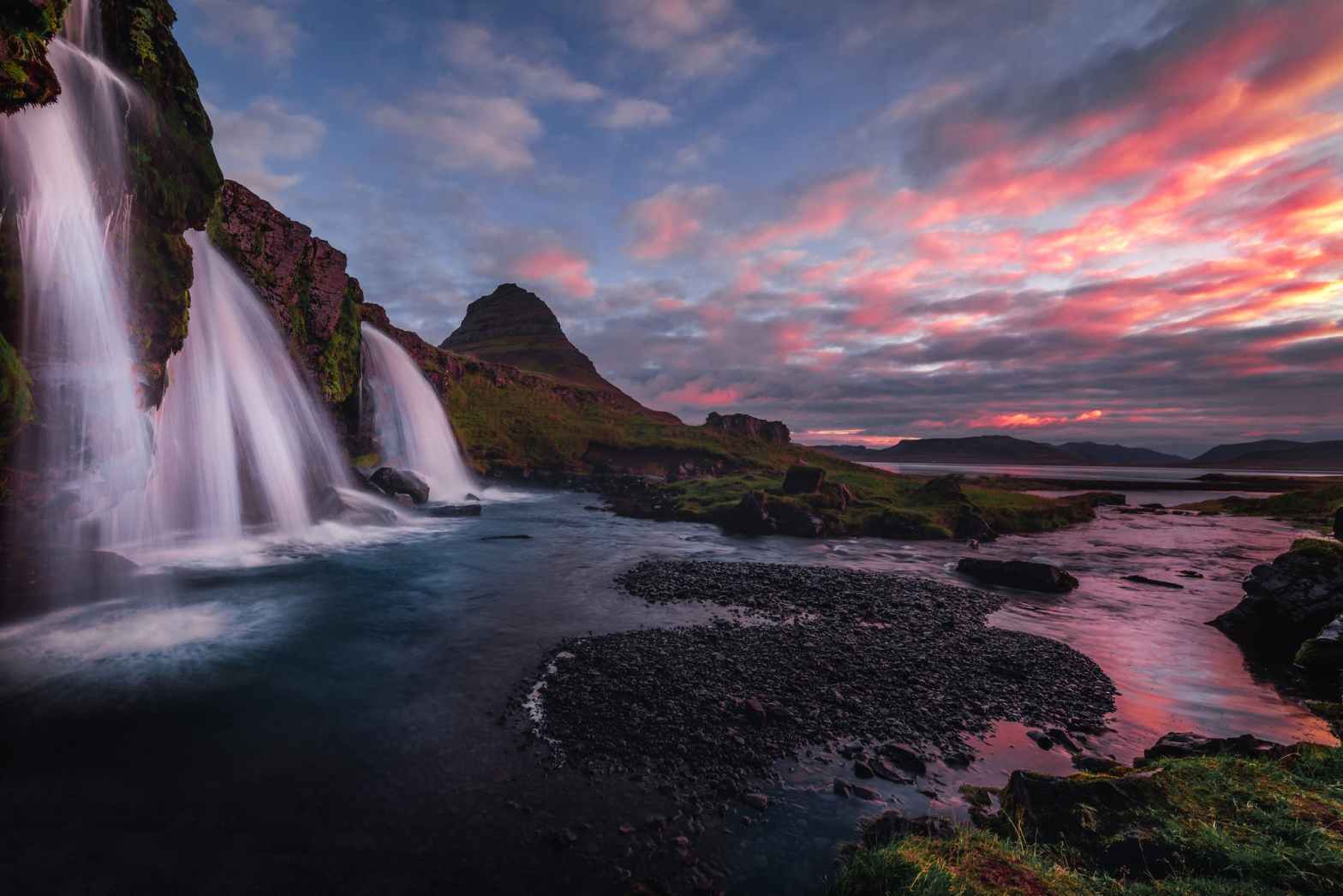
Photo Credit: Maria Orlova
Mountains are often considered spiritual and mystical for a variety of reasons, rooted in cultural, religious, and natural factors. Here are some of the key reasons behind the spiritual and mystical significance of mountains:
- Elevation and Proximity to the Sky: Mountains reach high into the sky, often touching the clouds. This elevation has led to the belief that they are closer to the heavens or the divine realm. Many religions and spiritual traditions have a concept of sacred spaces or realms above, and mountains often serve as a link between the earthly and celestial worlds.
- Isolation and Solitude: Mountains can be remote and isolated, which provides an ideal setting for solitude and meditation. Many spiritual seekers have sought out mountainous areas for contemplation, self-discovery, and connection with the divine.
- Natural Beauty and Awe: Mountains are often celebrated for their breathtaking natural beauty, with towering peaks, deep valleys, and stunning vistas. The sheer grandeur of these landscapes can inspire feelings of awe and wonder, which are often associated with spiritual experiences.
- Symbolism: Mountains are used as powerful symbols in many cultures. They can represent challenges, spiritual journeys, healing properties, and personal growth. The act of climbing a mountain can symbolize the pursuit of spiritual goals and self-improvement.
- Connection to Earth’s Energy: Some belief systems attribute special energies or forces to mountains. For instance, in Hinduism, the Himalayas are considered the abode of gods, and in various indigenous cultures, mountains are seen as places where the earth’s energy is particularly concentrated. The legend of Mt. Shasta attracts many to its location for insight and healing. It is believed to be one of the most sacred sites by various American Indian Tribes such as the Wintu, Achomawi, Atsugewi, and Modoc tribes. It is also believed to be the home of the “Creator” by these tribes. There’s a well-known legend that says that somewhere deep beneath Northern California’s 14,179 foot tall Mount Shasta is a complex array of tunnels and a hidden city called Telos, the ancient “City of Light”.
- Sacred Sites and Pilgrimages: Mountains often host sacred sites and temples, and people make pilgrimages to these locations to seek spiritual enlightenment and blessings. For example, Mount Kailash in Tibet is sacred in Hinduism, Buddhism, and Jainism, while Mount Athos in Greece is known for its many monasteries.
- Silence and Stillness: Mountains can offer a profound sense of peace and stillness. The quietude and absence of distractions in mountainous regions can facilitate spiritual practices such as meditation and reflection.
- Elemental Forces: Mountains are associated with powerful natural elements, including rock, water, and air. The dynamic interplay of these elements can be seen as a representation of the fundamental forces of creation and transformation.
- Cultural Stories and Myths: Many cultures have stories, myths, and legends related to mountains that emphasize their spiritual significance. These narratives often contribute to the mountains’ mystique.
- Biodiversity: Mountain ecosystems are often rich in biodiversity, with unique and rare species of plants and animals. The diversity of life in these regions can be seen as a reflection of the interconnectedness of all living beings, a concept central to many spiritual and mystical beliefs.
It’s important to note that the spiritual and mystical significance of mountains varies across cultures and belief systems. What one culture or individual finds spiritual or mystical in a mountain, another may not. Ultimately, the perception of mountains as spiritual and mystical places is deeply subjective and can be influenced by personal beliefs and cultural backgrounds.
 Bell's Mountain Connection