What is Personal Power?

Personal power refers to an individual’s ability to influence and control their own life, actions, and decisions. It involves a sense of self-confidence, autonomy, and the capacity to make choices that align with one’s values and goals. Personal power is not about dominating or controlling others; instead, it’s the ability to take charge of one’s own destiny and navigate life’s challenges effectively.

Key aspects of personal power include:

  1. Self-awareness: Understanding your strengths, weaknesses, values, and motivations is essential for personal power. Self-awareness enables you to make choices that align with your authentic self.
  2. Self-confidence: Believing in your abilities and trusting your judgment is a fundamental component of personal power. Confidence empowers you to take risks and pursue your goals.
  3. Emotional intelligence: The ability to recognize, understand, and manage your own emotions and those of others can enhance your personal power. It helps you build better relationships and navigate social situations effectively.
  4. Resilience: The capacity to bounce back from setbacks and adversity is crucial for personal power. Resilience allows you to persevere in the face of challenges and maintain your sense of control.
  5. Self-discipline: The ability to manage your time, energy, and resources effectively is an important aspect of personal power. It allows you to stay focused on your goals and make consistent progress.
  6. Communication skills: Effective communication is vital for personal power, as it enables you to express your ideas, needs, and boundaries clearly. It also helps in building positive relationships and resolving conflicts.
  7. Problem-solving and decision-making: Personal power is strengthened by your ability to analyze situations, make informed decisions, and solve problems. This helps you navigate life’s complexities with confidence.
  8. Boundaries: Setting and maintaining healthy boundaries in your personal and professional life is essential for personal power. It ensures that you protect your well-being and maintain a sense of control over your circumstances.
  9. Self-motivation: The drive to pursue your goals and stay committed to personal growth is a key component of personal power. Motivation keeps you moving forward even when faced with obstacles.

Personal power is not a fixed trait; it can be developed and strengthened over time through self-awareness, self-improvement, and personal development. It empowers individuals to live more fulfilling, authentic lives and to make a positive impact on the world around them.

Mountains and Rivers

Daily Wisdom

Arena Volcano, Costa Rica. Photo credit: Benn Bell

“Before practicing Zen, rivers were rivers and mountains were mountains. When I practiced Zen, I saw that rivers were no longer rivers and mountains were no longer mountains. Now I see that rivers are again rivers and mountains are again mountains.” Zen Master

Cumberland River. Photo credit: Benn Bell

Why Are Mountains Considered So Spiritual and Mystical?

Photo Credit: Maria Orlova

Mountains are often considered spiritual and mystical for a variety of reasons, rooted in cultural, religious, and natural factors. Here are some of the key reasons behind the spiritual and mystical significance of mountains:

  1. Elevation and Proximity to the Sky: Mountains reach high into the sky, often touching the clouds. This elevation has led to the belief that they are closer to the heavens or the divine realm. Many religions and spiritual traditions have a concept of sacred spaces or realms above, and mountains often serve as a link between the earthly and celestial worlds.
  2. Isolation and Solitude: Mountains can be remote and isolated, which provides an ideal setting for solitude and meditation. Many spiritual seekers have sought out mountainous areas for contemplation, self-discovery, and connection with the divine.
  3. Natural Beauty and Awe: Mountains are often celebrated for their breathtaking natural beauty, with towering peaks, deep valleys, and stunning vistas. The sheer grandeur of these landscapes can inspire feelings of awe and wonder, which are often associated with spiritual experiences.
  4. Symbolism: Mountains are used as powerful symbols in many cultures. They can represent challenges, spiritual journeys, healing properties, and personal growth. The act of climbing a mountain can symbolize the pursuit of spiritual goals and self-improvement.
  5. Connection to Earth’s Energy: Some belief systems attribute special energies or forces to mountains. For instance, in Hinduism, the Himalayas are considered the abode of gods, and in various indigenous cultures, mountains are seen as places where the earth’s energy is particularly concentrated. The legend of Mt. Shasta attracts many to its location for insight and healing. It is believed to be one of the most sacred sites by various American Indian Tribes such as the Wintu, Achomawi, Atsugewi, and Modoc tribes. It is also believed to be the home of the “Creator” by these tribes. There’s a well-known legend that says that somewhere deep beneath Northern California’s 14,179 foot tall Mount Shasta is a complex array of tunnels and a hidden city called Telos, the ancient “City of Light”.
  6. Sacred Sites and Pilgrimages: Mountains often host sacred sites and temples, and people make pilgrimages to these locations to seek spiritual enlightenment and blessings. For example, Mount Kailash in Tibet is sacred in Hinduism, Buddhism, and Jainism, while Mount Athos in Greece is known for its many monasteries.
  7. Silence and Stillness: Mountains can offer a profound sense of peace and stillness. The quietude and absence of distractions in mountainous regions can facilitate spiritual practices such as meditation and reflection.
  8. Elemental Forces: Mountains are associated with powerful natural elements, including rock, water, and air. The dynamic interplay of these elements can be seen as a representation of the fundamental forces of creation and transformation.
  9. Cultural Stories and Myths: Many cultures have stories, myths, and legends related to mountains that emphasize their spiritual significance. These narratives often contribute to the mountains’ mystique.
  10. Biodiversity: Mountain ecosystems are often rich in biodiversity, with unique and rare species of plants and animals. The diversity of life in these regions can be seen as a reflection of the interconnectedness of all living beings, a concept central to many spiritual and mystical beliefs.

It’s important to note that the spiritual and mystical significance of mountains varies across cultures and belief systems. What one culture or individual finds spiritual or mystical in a mountain, another may not. Ultimately, the perception of mountains as spiritual and mystical places is deeply subjective and can be influenced by personal beliefs and cultural backgrounds.

What are the “Clairs” in Metaphyical Practices?

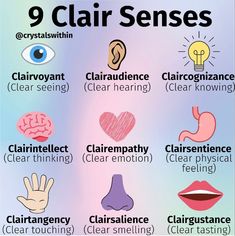
The “clairs” in spiritual and psychic work refer to different types of psychic or intuitive abilities that people may possess. Each “clair” is associated with a particular way of perceiving or receiving information beyond the five physical senses. Here are some of the most commonly recognized clairs:

  1. Clairvoyance: This is the ability to see things that are not physically present, often referred to as “clear seeing.” Clairvoyants may receive visions, symbols, images, or scenes that provide insights or messages.
  2. Clairaudience: Clairaudience means “clear hearing.” It is the ability to hear sounds, voices, or messages from the spiritual realm or from sources beyond the physical world. This may involve hearing words, music, or other auditory impressions.
  3. Clairsentience: Clairsentience is often called “clear feeling.” It involves the ability to sense or feel information intuitively. Clairsentients may pick up on emotions, physical sensations, or energetic vibrations from people, places, or situations.
  4. Claircognizance: This is the ability to have clear and sudden knowing or understanding without any logical or rational explanation. Claircognizants receive insights or knowledge from a higher source without consciously processing the information.
  5. Clairgustance: Clairgustance, or “clear tasting,” is the ability to taste things without physical contact. This may involve experiencing the taste of something related to a person or situation during a psychic reading.
  6. Clairalience: Also known as “clear smelling,” clairalience involves the ability to perceive scents or odors that are not physically present. These scents may be associated with spirits, energies, or messages.
  7. Clairtangency or Psychometry: This is the ability to receive information by touching or holding an object. Psychometrists can sense emotions, history, or events related to an object by making physical contact with it.
  8. Clairvoyance and Clairaudience (Combined): Some individuals possess a combination of clairvoyance and clairaudience, allowing them to see and hear messages or insights simultaneously.
  9. Clairvoyance and Clairsentience (Combined): Others may have a combination of clairvoyance and clairsentience, allowing them to both see and feel intuitive information.

It’s important to note that not everyone has these abilities, and those who do may experience them to varying degrees of intensity. Additionally, the interpretation of psychic or intuitive information can vary among individuals, and it is often subjective in nature.

Intuitives, Mystics, Psychics, and Mediums often use these clair abilities during readings or spiritual work to connect with higher realms, receive guidance, and provide insights to others.

Don’t Take the Hook

Daily Wisdom

As part of my daily Buddhist practice, I study the scriptures and the writings of other Buddhist teachers. Every once in a while, I run across a teaching that really resonates. Today’s bit of wisdom comes from Pema Chodron and is called “shenpa.” Loosely translated it means, “attachment.” Attachment in this sense means, “taking the hook.”

Example: Let’s say someone criticizes you for something. You immediately feel a tightening sensation as the blood rises in your body and you want to strike out and take revenge. Then you speak or act. This is taking the hook.

If we catch this shenpa early enough we can deal with it through patience and not react to on autopilot. We can develop patience through meditation. If we acknowledge the feeling early on and equate it with loving kindness, we can avoid being triggered into acting out against the person who criticized us.

Meditation teaches us how to open up and relax with whatever comes our way. When we learn patience, we learn how to interrupt the chain reaction of habitual responses that tend to rule our lives. This is a hard lesson to learn and is something I strive for every day.

Text and photo by Benn Bell

What is Intuition?

Unveiling the Mysteries of Your Inner Guide

Intuition, often referred to as our “gut feeling” or “sixth sense,” is a remarkable and enigmatic aspect of human cognition. It’s the ability to understand or know something without the need for conscious reasoning or empirical evidence. Intuition can provide valuable insights, guide decision-making, and even shape our creativity. In this exploration of intuition, we will delve into its definition, origins, types, and the ways you can recognize and harness this fascinating aspect of human consciousness.

Defining Intuition

Intuition is a complex and multifaceted phenomenon, and its definition can vary depending on context and perspective. However, it generally refers to:

  1. Instinctual Knowledge: Intuition often provides us with insights, ideas, or understandings that seem to arise spontaneously, without conscious thought or logical reasoning. It’s as though we simply “know” something, even though we can’t explain why.
  2. Implicit Learning: Our brains continuously gather information from our experiences, and intuition can be seen as the result of this accumulation of implicit knowledge. It draws on patterns and associations stored in our memory, helping us make quick judgments and decisions.
  3. Non-Analytical Processing: Unlike conscious reasoning, which involves careful analysis and evaluation, intuition operates on a subconscious level. It’s quick and automatic, which can make it seem mysterious and inexplicable.
  4. Holistic Understanding: Intuition often provides a holistic or “big picture” perspective, allowing us to grasp complex situations or problems in a more comprehensive way.

Origins of Intuition

Understanding where intuition comes from can shed light on its nature and function. Here are some key theories about the origins of intuition:

  1. Evolutionary Perspective: Some researchers believe that intuition is a product of evolution. Early humans had to make rapid decisions in survival situations, and intuition may have evolved as a way to process information quickly and efficiently. For example, spotting a potential threat or recognizing a food source might have relied heavily on intuitive processing.
  2. Implicit Learning: Intuition is closely linked to implicit learning, which is the acquisition of knowledge without conscious awareness. Our brains are constantly processing vast amounts of information, and intuition may be the result of our brains recognizing subtle patterns and connections that we’re not consciously aware of.
  3. Emotional Intelligence: Intuition is also closely tied to emotional intelligence, which involves recognizing and understanding emotions in ourselves and others. Intuitive insights often have an emotional component, and our emotions can serve as valuable signals that inform our intuition.

Types of Intuition

Intuition manifests in various forms, and people may experience it differently. Here are some common types of intuition:

  1. Cognitive Intuition: This type of intuition involves rapid and automatic processing of information. It can lead to insights, ideas, or solutions that seemingly come out of nowhere. Cognitive intuition often plays a role in problem-solving and decision-making.
  2. Emotional Intuition: Emotional intuition is the ability to sense or understand the emotions of others. It often involves picking up on subtle cues, such as body language, tone of voice, or facial expressions. People with strong emotional intuition can empathize effectively and navigate social situations skillfully.
  3. Creative Intuition: Creative individuals often rely on intuition to generate new ideas and insights. It can involve making connections between seemingly unrelated concepts or finding novel solutions to creative challenges.
  4. Spiritual Intuition: Some people believe in a form of intuition that transcends the material world. Spiritual intuition is often associated with a sense of connection to a higher power or a deeper understanding of the universe. It can lead to insights about the meaning of life, purpose, or spiritual growth.
  5. Interpersonal Intuition: This type of intuition relates to understanding the intentions and motivations of others. It can help in assessing trustworthiness, predicting behavior, and navigating interpersonal relationships effectively.

Recognizing Your Intuition

Recognizing your own intuition can be a transformative experience. It can empower you to make better decisions, enhance your creativity, and deepen your understanding of yourself and the world. Here are some signs that you may have a strong sense of intuition:

  1. Strong Gut Feelings: You often experience strong and persistent gut feelings about people, situations, or decisions. Trusting these feelings has led to positive outcomes in the past.
  2. Quick Decision-Making: You’re able to make decisions rapidly, often without needing to weigh all the pros and cons consciously. Your choices are often in alignment with your deeper instincts.
  3. Pattern Recognition: You frequently notice patterns or connections that others may overlook. Your ability to see the bigger picture can be a hallmark of intuitive thinking.
  4. Dreams and Insights: You have vivid dreams or spontaneous insights that offer solutions to problems or shed light on personal matters. These dreams and insights often feel profound and significant.
  5. Emotional Sensitivity: You’re highly attuned to the emotions of others and can often sense when someone is upset, even if they don’t express it overtly.
  6. Creativity: You regularly experience bursts of creativity and inspiration that seem to come out of nowhere. These creative insights may lead to innovative ideas or artistic expressions.
  7. Physical Sensations: Intuition can sometimes manifest as physical sensations, such as a feeling of heaviness in your chest when something doesn’t feel right or a lightness in your step when you’re on the right path.

Developing Your Intuition

If you want to enhance your intuition or make better use of it in your life, there are several practices and strategies you can consider:

  1. Mindfulness Meditation: Mindfulness meditation can help you become more in tune with your inner thoughts and feelings. It allows you to observe your thoughts and emotions without judgment, which can lead to greater self-awareness and a deeper connection to your intuition.
  2. Journaling: Keeping a journal can help you track and analyze your intuitive insights. Write down your hunches, dreams, and gut feelings, and over time, you may start to see patterns and themes emerge.
  3. Intuition Exercises: There are various exercises and games designed to sharpen your intuitive abilities. These might involve guessing the content of sealed envelopes, practicing remote viewing, or using intuition cards.
  4. Emotional Intelligence Training: Developing your emotional intelligence can enhance your ability to read and interpret the emotions of others, which is a crucial aspect of interpersonal intuition. Consider taking courses or reading books on emotional intelligence.
  5. Creativity Practices: If you want to harness creative intuition, engage in activities that stimulate your imagination. This could include brainstorming sessions, exploring new hobbies, or simply allowing yourself to daydream.
  6. Trust Yourself: Perhaps the most important step in developing your intuition is learning to trust yourself. Belief in your own intuitive abilities is essential for allowing them to flourish. Be patient and gentle with yourself as you learn to rely more on your intuition.

Benefits of Intuition

Embracing and cultivating your intuition can offer numerous benefits in various aspects of your life:

  1. Enhanced Decision-Making: Intuition can provide valuable insights that complement rational decision-making processes. It can help you make choices that align with your values and goals.
  2. Improved Creativity: Creative intuition can be a wellspring of innovative ideas and artistic inspiration. It can unlock your creative potential and lead to unique solutions to problems.
  3. Better Relationships: Interpersonal intuition can help you navigate relationships more effectively by understanding the emotions and intentions of others. It can lead to deeper connections and more empathetic interactions.
  4. Stress Reduction: Trusting your intuition can reduce anxiety and uncertainty. It can provide a sense of confidence and clarity in your choices.
  5. Self-Discovery: Exploring your intuition can lead to greater self-awareness and personal growth. It can help you understand your values, desires, and purpose more deeply.

Challenges and Pitfalls

While intuition can be a valuable asset, it’s important to recognize its limitations and potential pitfalls:

  1. Bias: Intuition can be influenced by personal biases and past experiences. It’s important to critically examine your intuitive judgments to ensure they are not based on stereotypes or prejudices.
  2. Overreliance: Relying solely on intuition, especially in complex or high-stakes situations, can lead to poor decisions. It’s often most effective when used in conjunction with rational analysis.
  3. Misinterpretation: Intuitive insights can sometimes be misinterpreted or misapplied. It’s important to validate your intuition through feedback and objective assessment.
  4. Skepticism: Some people are naturally skeptical of intuition, dismissing it as mere superstition. It’s essential to strike a balance between rationality and intuition, recognizing the value of both.

Intuition is a fascinating and deeply ingrained aspect of human cognition. While it remains enigmatic in many ways, its power to guide us, spark creativity, and deepen our understanding of the world is undeniable. Recognizing and developing your own intuition can be a transformative journey that leads to more informed decisions, enhanced creativity, and a greater sense of self. By honing this inner guide, you can navigate the complexities of life with greater confidence and insight, ultimately leading to a more fulfilling and purposeful existence.

What is Mindfulness?

Mindfulness: A Path to Inner Peace and Well-Being

In our fast-paced, digitally connected world, it’s easy to get caught up in the chaos of daily life. Our minds are constantly bombarded with information, and we often find ourselves multitasking and rushing from one task to another. In this frenzy, we can lose touch with the present moment and our own inner selves. This is where mindfulness comes into play.

Mindfulness is a centuries-old practice that has gained significant attention in recent years due to its potential to enhance well-being, reduce stress, and improve mental health. It is not a new-age fad but rather a timeless and scientifically validated approach to living a more fulfilling life. In this comprehensive guide, we will explore what mindfulness is, its benefits, and practical ways to incorporate it into your life.

What Is Mindfulness?

At its core, mindfulness is the practice of paying deliberate attention to the present moment without judgment. It involves becoming fully aware of your thoughts, feelings, sensations, and surroundings, no matter how mundane or extraordinary they may be. Mindfulness invites you to observe your experiences as they unfold, fostering a sense of presence, clarity, and self-awareness.

Key Components of Mindfulness:

  1. Present-Moment Awareness: Mindfulness is about being fully engaged in the here and now. It means letting go of worries about the past and anxieties about the future, focusing instead on what is happening in the present moment.
  2. Non-Judgmental Observation: Mindfulness encourages you to observe your experiences without judgment. Instead of labeling thoughts or emotions as good or bad, you simply acknowledge them as they are, allowing for a more objective perspective.
  3. Acceptance: This aspect of mindfulness involves accepting things as they are, both internally and externally. It doesn’t mean resigning yourself to negative situations but acknowledging the reality of the present moment before taking appropriate action.
  4. Concentration: Mindfulness requires focused attention. It’s the practice of directing your awareness intentionally, whether it’s on your breath, bodily sensations, or the sounds around you.

The Benefits of Mindfulness

The practice of mindfulness offers a wide range of benefits for both mental and physical well-being. Here are some of the most notable advantages:

  1. Stress Reduction: Mindfulness can significantly reduce stress levels by helping individuals manage their responses to stressful situations. By staying present and non-judgmental, you can prevent stress from escalating and better navigate challenging circumstances.
  2. Improved Emotional Regulation: Mindfulness empowers you to recognize and accept your emotions as they arise. This heightened emotional awareness can lead to better control over impulsive reactions and more skillful responses to difficult feelings.
  3. Enhanced Mental Clarity: Regular mindfulness practice can clear the mental clutter that often leads to confusion and indecision. It allows for greater mental clarity, focus, and improved decision-making.
  4. Increased Resilience: Mindfulness helps build resilience by teaching you how to adapt to adversity and bounce back from setbacks more effectively. It promotes a growth mindset and a positive attitude toward challenges.
  5. Better Physical Health: Mindfulness has been associated with various physical health benefits, including lower blood pressure, improved immune function, and better sleep. These improvements result from reduced stress and better self-care habits.
  6. Enhanced Relationships: Mindfulness can improve your relationships by fostering better communication and empathy. When you’re fully present with others, you’re more attuned to their needs and feelings.
  7. Greater Self-Acceptance: The non-judgmental aspect of mindfulness encourages self-acceptance and self-compassion. It can help you let go of self-criticism and embrace a more positive self-image.

How to Apply Mindfulness to Your Life

Now that we’ve explored what mindfulness is and its benefits, let’s delve into how you can incorporate mindfulness into your daily life.

  1. Start with Formal Meditation:
    • Begin with short meditation sessions, ideally 5-10 minutes daily.
    • Find a quiet, comfortable space where you won’t be disturbed.
    • Focus your attention on your breath, sensations, or a specific meditation guide.
    • When your mind wanders, gently bring your focus back to your chosen point of attention.
  2. Mindful Breathing:
    • Throughout the day, take moments to focus on your breath.
    • Pay attention to the sensation of each inhalation and exhalation.
    • This practice can be done while waiting in line, sitting in traffic, or during short breaks.
  3. Body Scan:
    • Dedicate time to a body scan meditation where you mentally scan your body from head to toe.
    • Notice any areas of tension or discomfort and try to release them through your breath.
  4. Mindful Eating:
    • During meals, savor each bite and pay attention to the flavors, textures, and smells of your food.
    • Avoid distractions like television or smartphones while eating.
  5. Mindful Walking:
    • Take mindful walks where you focus on the sensation of each step and your surroundings.
    • Engage your senses by observing the sights, sounds, and smells around you.
  6. Mindful Listening:
    • Practice active listening when engaging in conversations.
    • Give your full attention to the speaker without formulating your response in your mind.
  7. Mindful Pause:
    • Create moments throughout the day to pause and check in with yourself.
    • Ask how you’re feeling emotionally and physically, and adjust your actions accordingly.
  8. Gratitude Journal:
    • Keep a gratitude journal where you regularly write down things you’re thankful for.
    • Reflecting on positive experiences fosters mindfulness and a sense of well-being.
  9. Mindfulness Apps and Resources:
    • Use mindfulness apps like Headspace, Calm, or Insight Timer for guided meditations and mindfulness exercises.
    • Read books and articles on mindfulness to deepen your understanding and practice.
  10. Mindful Community:
    • Join a mindfulness group or community to share experiences and gain support.
    • Practicing with others can enhance your commitment and motivation.
  11. Mindfulness Retreats:
    • Consider attending a mindfulness retreat to immerse yourself in the practice and deepen your understanding.

Challenges and Tips for Practicing Mindfulness

While mindfulness can be a transformative practice, it’s not always easy, especially when you’re just starting. Here are some common challenges and tips for overcoming them:

  1. Restless Mind: It’s normal for your mind to wander during meditation. When it happens, gently guide your attention back to your chosen point of focus, such as your breath.
  2. Impatience: Don’t expect immediate results. Mindfulness is a skill that develops over time. Be patient with yourself and your progress.
  3. Inconsistency: Establishing a regular practice can be challenging. Set a realistic schedule and start with shorter sessions if necessary. Gradually increase the duration as you become more comfortable.
  4. Resistance: You may encounter resistance or discomfort when facing certain thoughts or emotions. Instead of avoiding them, acknowledge them with compassion. This is an opportunity for growth.
  5. Perfectionism: There’s no “perfect” way to practice mindfulness. Let go of the idea of doing it perfectly and embrace the journey of self-discovery.
  6. Self-Criticism: If you find yourself being critical of your mindfulness practice, remember that self-compassion is a vital aspect of mindfulness itself. Treat yourself kindly.

Conclusion

Mindfulness is not a quick fix or a one-size-fits-all solution, but rather a way of life that can bring profound positive changes over time. By incorporating mindfulness into your daily routine, you can develop a greater sense of inner peace, resilience, and well-being.

Remember that mindfulness is a journey, and like any journey, it requires dedication, patience, and practice. Start small, be consistent, and gradually deepen your practice. Over time, you’ll likely find that mindfulness becomes an integral part of your life, helping you navigate its challenges with greater clarity and presence. Embrace the present moment, for within it lies the path to a more fulfilling and harmonious life.


What is Divinity?

The concept of divinity is a complex and multifaceted one, and its meaning can vary significantly depending on cultural, religious, and philosophical perspectives.
Generally, divinity refers to the state or quality of being divine, which is often associated with the divine or supernatural realm, gods, deities, or the transcendent.

Here are a few common interpretations of divinity:

  1. Deities and Gods: In many religious traditions, divinity is associated with gods or deities who are considered to possess extraordinary powers, wisdom, and qualities beyond those of humans. These deities are often worshipped and revered as the highest beings in their respective belief systems.
  2. Transcendence: Divinity can also refer to a state of transcendence or spiritual perfection that exists beyond the material world. It may be seen as a realm or dimension that is beyond human comprehension and beyond the limitations of space and time.
  3. Sacredness: Divinity is often associated with sacredness and holiness. Objects, places, rituals, and texts can be considered divine or infused with divinity in various religious and spiritual contexts.
  4. Inner Divinity: Some philosophical and spiritual traditions, such as certain forms of Hinduism and Buddhism, emphasize the idea that divinity is not just external but also inherent within every individual. This inner divinity is often referred to as the “divine spark” or the “true self,” and the goal is to realize and connect with this inner divine nature.
  5. Pantheism and Panentheism: In some belief systems, divinity is seen as immanent in the natural world. Pantheism asserts that everything is divine, while panentheism posits that the divine is both immanent in the world and transcendent beyond it.
  6. Mystical Experience: Some individuals claim to have had mystical experiences in which they feel a direct connection to the divine. These experiences can be transformative and may involve a sense of unity with the divine or a profound understanding of the nature of divinity.

It’s important to note that the concept of divinity can be highly subjective and culturally specific. Different religious traditions and belief systems have their own interpretations of divinity, and what is considered divine in one context may not be the same in another. Additionally, secular and atheistic worldviews may reject the idea of divinity altogether, seeing it as a product of human imagination and cultural evolution.

What is Spiritual Consciousness?

Photo Credit: Benn Bell – Speed Museum Student Art Exhibit 2023

Spiritual consciousness is a concept that refers to an individual’s awareness, understanding, and connection to the spiritual or transcendent aspects of existence. It encompasses a wide range of beliefs, practices, and experiences, and its meaning can vary significantly depending on one’s religious or philosophical perspective. Here are some key aspects and interpretations of spiritual consciousness:

  1. Awareness of the Divine: Many people associate spiritual consciousness with an awareness of a higher power or divine presence. This may involve belief in a specific God or gods, or it could be a more abstract belief in a universal spiritual force or energy.
  2. Inner Self-Exploration: Spiritual consciousness often involves a deep exploration of one’s inner self, including emotions, thoughts, and beliefs. Practices like meditation, mindfulness, and introspection are commonly used to achieve a higher level of self-awareness.
  3. Connection to Nature and the Universe: Some individuals view spiritual consciousness as a sense of interconnectedness with the natural world and the cosmos. They may feel that everything in the universe is connected through a spiritual or energetic web.
  4. Moral and Ethical Values: For many people, spiritual consciousness informs their moral and ethical values. It provides a framework for understanding right from wrong and guides their behavior and decision-making.
  5. Transcendence of the Ego: Spiritual consciousness often involves transcending the ego or the sense of individual self. This can lead to experiences of oneness, unity, and a feeling of being part of something greater than oneself.
  6. Quest for Meaning and Purpose: People on a spiritual journey often seek to find meaning and purpose in life beyond material or superficial pursuits. They may ask fundamental questions about the nature of existence and the meaning of life.
  7. Practices and Rituals: Various religious and spiritual traditions have specific practices and rituals that are designed to cultivate and deepen spiritual consciousness. These can include prayer, meditation, fasting, chanting, and sacred ceremonies.
  8. Personal Growth and Transformation: Many individuals believe that spiritual consciousness can lead to personal growth and transformation. It can be a path to self-improvement, inner peace, and a sense of fulfillment.

It’s important to note that spiritual consciousness is a highly subjective and personal experience. Different people may have vastly different interpretations of what it means to be spiritually conscious, and there is no one-size-fits-all definition. It can be deeply rooted in religious beliefs or take a more secular and philosophical form. Ultimately, spiritual consciousness is about exploring and connecting with the deeper aspects of one’s self and the universe, often in pursuit of a greater sense of purpose, meaning, and harmony.