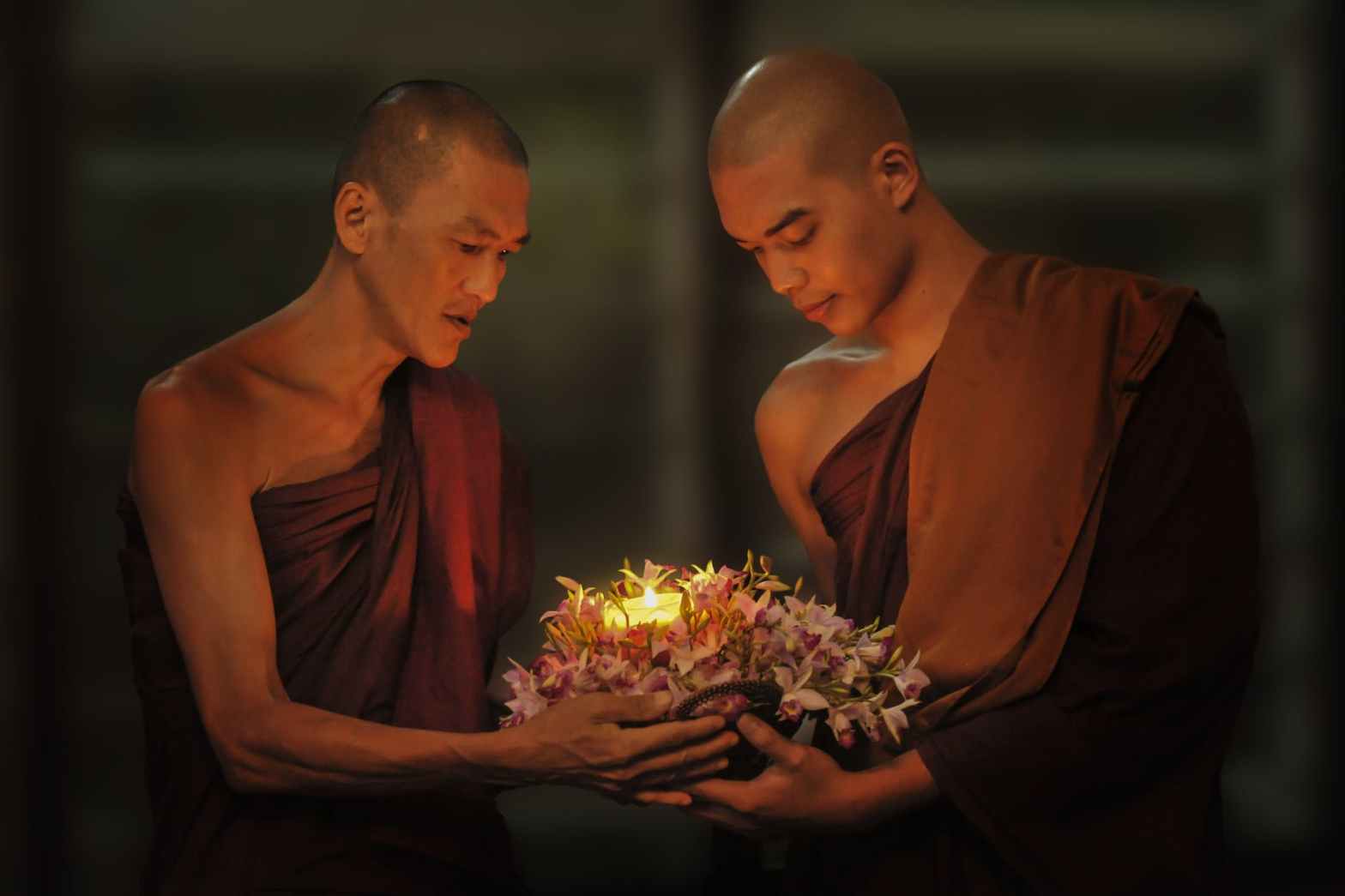
Spirituality vs. Religion – Part II: Common Themes

Spirituality and religion share some common elements and characteristics, but they are not synonymous. Here are some of the commonalities between spirituality and religion:

  1. Belief in the Transcendent: Both spirituality and religion often involve a belief in something beyond the material world, whether it’s a higher power, a divine presence, or a cosmic force. This belief in the transcendent is a central aspect of both.
  2. Rituals and Practices: Both spirituality and religion can involve rituals, ceremonies, and practices that help individuals connect with the divine or explore their inner selves. These rituals may include prayer, meditation, worship, fasting, or other spiritual exercises.
  3. Morality and Ethics: Both spirituality and religion often provide a framework for moral and ethical guidance. They may offer a set of principles, commandments, or teachings that guide adherents in making ethical decisions and living a virtuous life.
  4. Community and Fellowship: Both spirituality and religion can foster a sense of community and belonging. Many religious traditions have congregations or religious communities where members come together for worship, support, and fellowship. Similarly, spiritual groups and communities may form around shared beliefs and practices.
  5. Meaning and Purpose: Spirituality and religion both address fundamental questions about the meaning and purpose of life. They can offer answers to questions about the nature of existence, the afterlife, and the human experience.
  6. Inner Growth and Transformation: Both spirituality and religion can be pathways for personal growth and transformation. They may encourage individuals to cultivate qualities such as compassion, humility, forgiveness, and self-awareness.
  7. Symbols and Sacred Texts: Both spirituality and religion often employ symbols, sacred texts, and stories to convey their beliefs and teachings. These symbols and texts hold special significance and are used to transmit the tradition’s wisdom and knowledge.

While spirituality and religion share these common elements, there are also important distinctions between the two:

  1. Organized Structure: Religion typically has a more organized and formal structure with established institutions, clergy, and religious hierarchies. Spirituality, on the other hand, can be more individualistic and flexible, often without a formal organization.
  2. Dogma and Doctrine: Religions often have specific dogmas and doctrines that followers are expected to adhere to, whereas spirituality may be more open to personal interpretation and exploration.
  3. Belief Systems: Religions have defined belief systems and often require adherence to specific beliefs, while spirituality may encompass a wider range of beliefs and practices, and individuals may combine elements from different spiritual traditions.
  4. Institutional Practices: Religions often have a set of prescribed practices and rituals that are standardized and followed by their adherents. Spirituality may involve a more eclectic mix of practices chosen by the individual.

In summary, spirituality and religion share common ground in terms of their focus on the transcendent, rituals, ethics, community, and personal growth. However, religion typically has a more structured and organized framework with specific beliefs and practices, while spirituality can be more diverse and individually tailored. It’s important to recognize that people’s experiences with spirituality and religion can vary widely, and not all individuals or communities fit neatly into these categories.
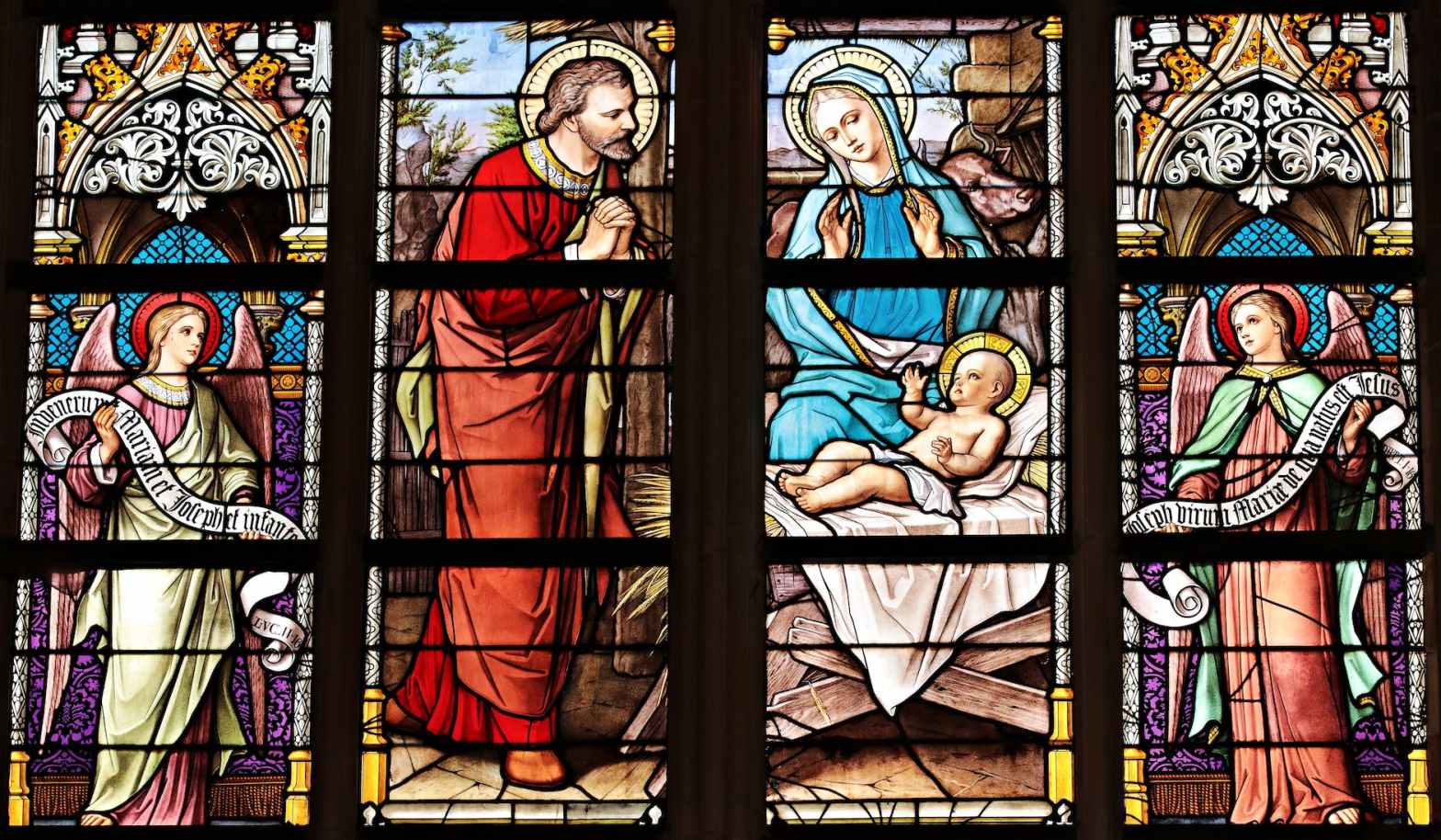
Spirituality vs. Religion – Part I: Differences

Spirituality and religion are related concepts, but they are not the same, and there are key differences between them. Here’s a breakdown of these differences:

  1. Definition:
    • Religion: Religion typically refers to a formalized system of beliefs, practices, rituals, and traditions centered around a specific deity or deities. It often involves organized institutions, clergy, sacred texts, and established dogmas.
    • Spirituality: Spirituality is a broader and more individualistic concept. It is about a personal search for meaning, purpose, and connection to something greater than oneself. Spirituality can be pursued both within and outside the framework of organized religions.
  2. Beliefs:
    • Religion: Religions often have a set of specific beliefs and doctrines that adherents are expected to accept and follow. These beliefs are usually codified in religious texts or teachings.
    • Spirituality: Spirituality is more flexible and open to personal interpretation. It can encompass a wide range of beliefs and may not necessarily adhere to a particular religious doctrine.
  3. Practices:
    • Religion: Religions have structured rituals, ceremonies, and practices that are prescribed for their followers. These practices are often aimed at worshiping deities, achieving salvation, and adhering to religious laws.
    • Spirituality: Spiritual practices are more diverse and may include meditation, prayer, yoga, mindfulness, or other contemplative activities. These practices are often chosen based on personal preferences and spiritual growth.
  4. Institutional vs. Individual:
    • Religion: Religions are typically organized into institutions with hierarchies, clergy, places of worship, and formalized religious authorities.
    • Spirituality: Spirituality is often a more individual and personal journey. It doesn’t require adherence to an organized institution or religious hierarchy.
  5. Dogma vs. Exploration:
    • Religion: Religions tend to emphasize adherence to specific dogmas and teachings. Deviation from these doctrines can sometimes lead to excommunication or criticism.
    • Spirituality: Spirituality encourages exploration and personal growth. It often embraces a more open and questioning approach to beliefs and practices.
  6. Community vs. Solitude:
    • Religion: Religions often foster a sense of community among their followers, with regular gatherings for worship, fellowship, and shared rituals.
    • Spirituality: Spirituality can be a solitary pursuit, although it can also be practiced in group settings. It places a stronger emphasis on personal experiences and inner transformation.

It’s important to note that these distinctions are not absolute, and there is considerable overlap between spirituality and religion. Many people find spiritual fulfillment within the context of a specific religion, while others may identify as spiritual but not religious. Ultimately, the choice between spirituality and religion is a deeply personal one, and individuals may define and combine these concepts in unique ways to meet their spiritual needs.

What is Spirituality?

Spirituality is a multifaceted and deeply personal concept that has intrigued, inspired, and challenged humans throughout history. It transcends religious affiliations and philosophical doctrines, encompassing a broad range of beliefs, practices, and experiences. In this comprehensive exploration, we will delve into the essence of spirituality, its various dimensions, its significance in human life, and the ways in which it is expressed and pursued by individuals across the world.

Defining Spirituality

At its core, spirituality is about seeking meaning, purpose, and connection with something greater than oneself. It is an intrinsic aspect of the human experience that transcends the boundaries of organized religion or specific belief systems. While spirituality often intersects with religion, it is not limited to religious traditions. It can be deeply personal, flexible, and evolving, allowing individuals to find their own path to the divine or the transcendent.

Dimensions of Spirituality

Spirituality encompasses multiple dimensions, each contributing to a holistic sense of connection and meaning. Here are some key dimensions of spirituality:

  1. Transcendence:

Transcendence involves reaching beyond the ordinary and mundane to connect with something higher or greater than oneself. This may involve a sense of awe, wonder, or reverence for the mysteries of the universe.

  1. Meaning and Purpose:

Spirituality seeks to address fundamental questions about the purpose of life, the nature of existence, and the significance of one’s actions. It provides a framework for understanding one’s role in the grand scheme of things.

  1. Connection and Unity:

Many spiritual traditions emphasize the interconnectedness of all living beings and the universe. Spirituality often involves a sense of unity and oneness with the cosmos, nature, or humanity.

  1. Inner Exploration:

Self-reflection and introspection are integral to spirituality. Individuals engage in practices like meditation, mindfulness, and prayer to explore their inner selves and connect with their inner wisdom.

  1. Morality and Ethics:

Spirituality often guides individuals in forming ethical and moral principles. It provides a moral compass for making decisions that align with one’s values and principles.

  1. Community and Rituals:

While spirituality can be a deeply personal journey, it is also communal. Many people find spiritual fulfillment through shared rituals, ceremonies, and gatherings with like-minded individuals.

  1. Mystical Experiences:

Mystical experiences involve a profound sense of union with the divine, often described as transcendent or ineffable. These experiences can be life-altering and transformative.
Significance of Spirituality

Spirituality holds great significance in the lives of individuals and communities for various reasons:

  1. Search for Meaning:

Spirituality addresses the fundamental human need for meaning and purpose. It helps individuals make sense of life’s challenges, joys, and mysteries.

  1. Coping with Adversity:

During times of adversity, spirituality can provide solace, hope, and resilience. It offers a sense of inner strength and support in facing life’s difficulties.

  1. Personal Growth:

Spirituality is a catalyst for personal growth and self-improvement. It encourages self-awareness, emotional intelligence, and the pursuit of inner peace.

  1. Connection and Belonging:

Spirituality often fosters a sense of belonging and community. It brings people together who share similar values and beliefs, creating a supportive network.

  1. Healing and Well-Being:

Many individuals find healing and improved well-being through spiritual practices such as meditation, yoga, and mindfulness. These practices promote physical, mental, and emotional health.

  1. Compassion and Altruism:

Spirituality can inspire compassion, empathy, and a commitment to helping others. It encourages individuals to live in harmony with others and the environment.

  1. Transcendence and Fulfillment:

For some, spirituality offers a transcendent experience that leads to a profound sense of fulfillment, inner peace, and bliss.
Expressions of Spirituality

Spirituality is expressed in myriad ways, often influenced by cultural, religious, and personal backgrounds. Here are some common expressions of spirituality:

  1. Religion:

Many people find their spiritual path within the framework of organized religions such as Christianity, Islam, Buddhism, Hinduism, Judaism, and others. These religions provide structured rituals, beliefs, and moral guidelines.

  1. Meditation and Mindfulness:

Meditation practices, including mindfulness meditation, transcendental meditation, and loving-kindness meditation, are widely used for spiritual growth, self-awareness, and stress reduction.

  1. Nature and Eco-Spirituality:

Some individuals find spiritual connection through nature and ecological awareness. They view the natural world as a source of spiritual insight and reverence.

  1. Yoga and Tai Chi:

These physical and mental practices originated in Eastern traditions and are used for spiritual growth, self-realization, and improved well-being.

  1. Artistic Expression:

Creative endeavors such as music, painting, dance, and writing can be profoundly spiritual experiences that connect individuals with their inner selves and the divine.

  1. Acts of Service:

Serving others and practicing altruism can be a spiritual path. Many individuals find deep fulfillment in helping those in need and contributing to the greater good.

  1. Personal Growth and Self-Help:

The self-help movement often incorporates spiritual principles and practices to facilitate personal growth, resilience, and self-empowerment.
Challenges and Questions in Spirituality

Spirituality is not without its challenges and questions. Some of these include:

  1. Pluralism and Relativism:

In a diverse world with various spiritual beliefs and practices, how do we navigate differences and find common ground?

  1. Skepticism and Atheism:

How do individuals who identify as atheists or skeptics reconcile their lack of belief in the divine with the human need for spirituality and meaning?

  1. Dogma and Fundamentalism:

How can spirituality be pursued without falling into rigid dogmas or fundamentalism that may lead to intolerance or extremism?

  1. Commercialization:

How can individuals avoid falling into the trap of commercialized or superficial forms of spirituality that may prioritize profit over genuine spiritual growth?

  1. Ethical Dilemmas:

How do individuals navigate ethical dilemmas and moral choices within the context of their spiritual beliefs?
Conclusion

Spirituality is a profound and deeply personal aspect of the human experience. It encompasses the search for meaning, connection, and transcendence and can be expressed through a wide range of beliefs and practices. Regardless of one’s spiritual path, the quest for spirituality is a journey of self-discovery, personal growth, and a deeper understanding of the mysteries of existence. In a world that often challenges us with complexity and uncertainty, spirituality offers a timeless and universal framework for finding purpose, fulfillment, and inner peace.